|
estebanana -> RE: Barre chord unclean, ideas for remedy? (Jan. 5 2026 2:08:39)
|
quote:
ORIGINAL: Ricardo
under the held B 7th fret barre, experiment a bit with C# with the ring finger instead of the C natural. It gets your hand to instinctively (hopefully!) flatten and stretch as needed. Because the C natural allows your fingers to "bunch" together, it is the "un-bunching" that shifts and moves the index barre as you reach for the D# and you are losing the "grip". So experiment with the C# instead of C nat, maintaining the chord posture as pinky reaches. If you still can't get the B string clear with the C# then you have to look at the thumb closer. Mine is almost directly under the middle finger D# third string when I do this and it does not move for the reach. Make sure it doesn't move or again that shifts the weight of the index and you might lose the B string again. So then if all that checks out what happens with C natural is you have to pivot slightly the index angle to get it clean. The thumb acts like a bolted swivel, staying in that position under the middle finger as your whole arm shifts to change the angle of the index. You need to practice this shifting alone as you sound the B string. If you are doing it correct you should even notice the change of PITCH as you shift the index barre from angled to more straight (the F# will be going flat as you shift towards the bridge to get the reach, where as when you are shifted back for the cramped C natural, the F# goes a hair sharp). The D# on the third string might also change pitch slightly. Over time you need to ease the grip so that this pitch change is not dramatic or very noticeable.
Last thing, in your video your fingers are so cramped that your bass note B is not being fretted clearly and dies out as your index drifts over the fret wire. You can watch it happen, so it is another thing to start getting the Bass note B to ring longer. Just don't squeeze too hard (the instinct to get notes ringing longer).
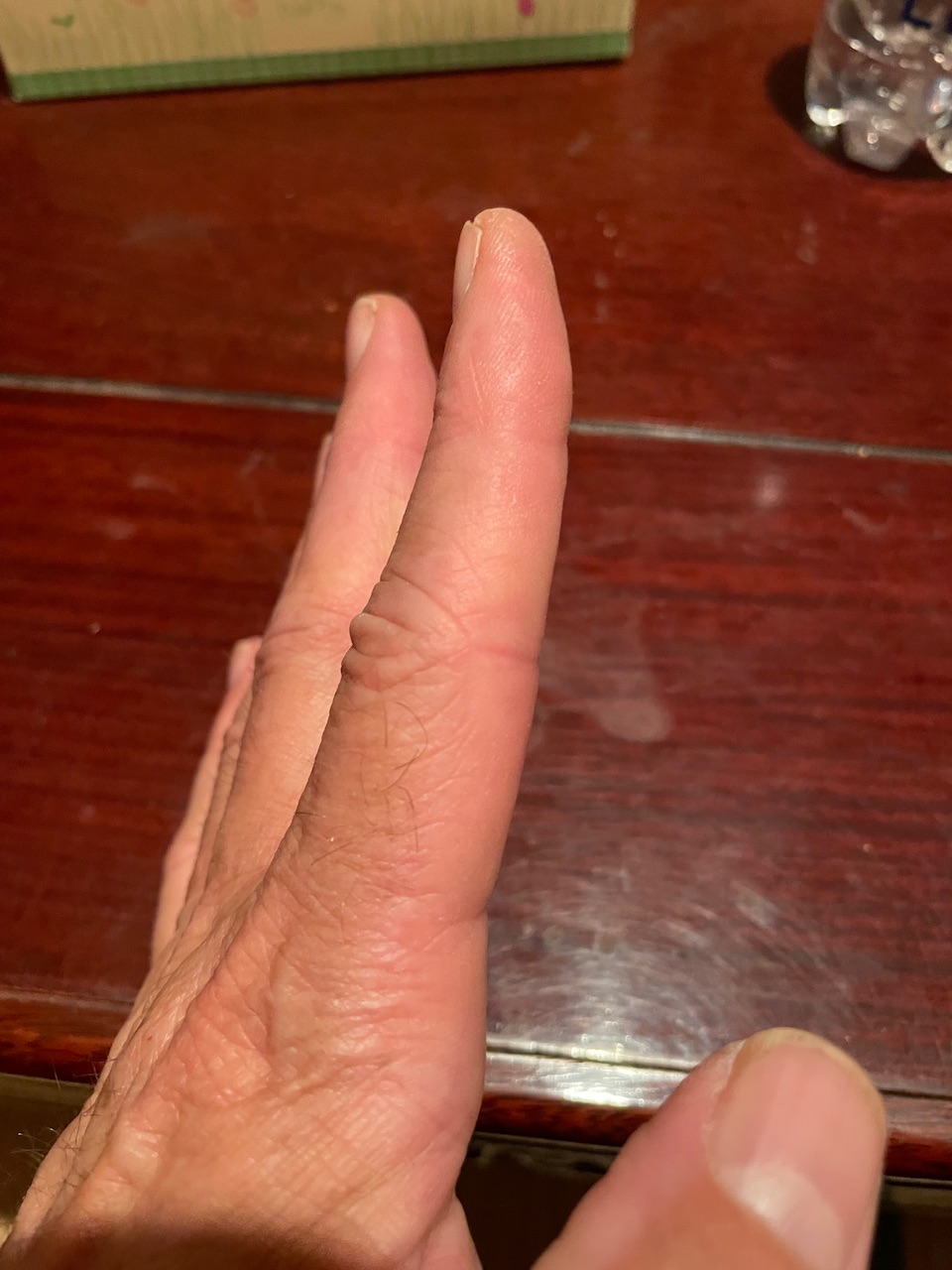
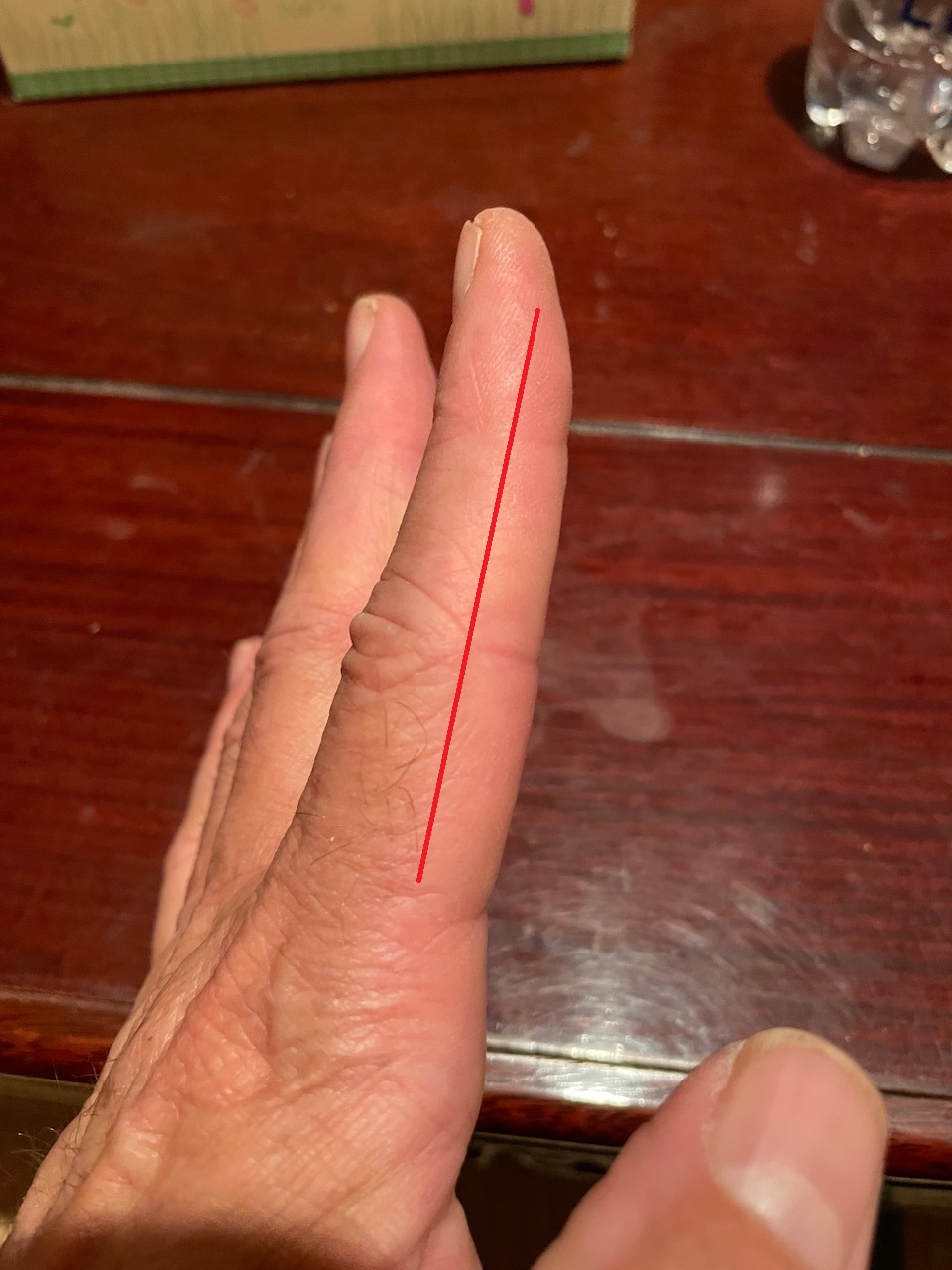
I noticed being aware of the thumb position and which fingers the thumb is opposing makes a difference in both how flat I can get my index finger and how ‘balanced’ the pressure on the bar becomes. The thumb directly behind the thumb makes the fingers below the index less effective because those fingers don’t have an opposing force ( light touch force is only needed).
Putting the hard squeeze on thumb and index is not as effective and landing the thumb midway between the index and the rest of the fingers on the chord.
Right now working on Capricho Arabe’ by Tarrega. The first half I’ve memorized and worked through the barre situation quite successfully, the second section with the key change to D major is a bit harder barre wise. I’ve only got about half of the D section. A few barres are difficult, but I’m unlocking them steadily.
|
|
|
|